Having Trouble Filing GSTR-1? Deadline Extended!

Technical Issues on GST Portal

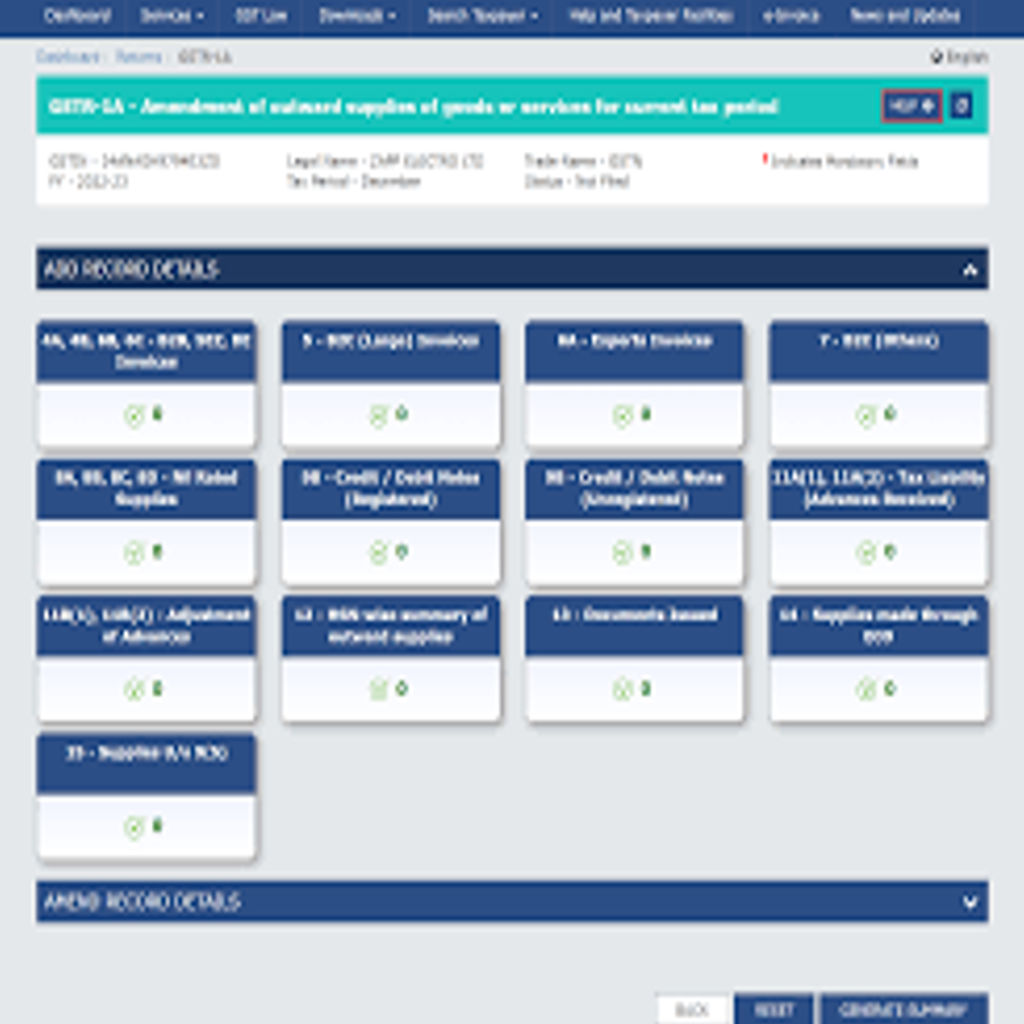
The GST portal is currently undergoing technical maintenance, causing disruptions in the filing process for GSTR-1 returns. These issues have been reported widely, and the authorities are actively addressing them to restore full functionality.


Expected Resolution Timeline

The portal is expected to be operational by 3:00 PM. Taxpayers are advised to remain patient while the technical teams resolve the ongoing challenges.


Incident Report Submitted

An incident report has been sent to the Central Board of Indirect Taxes and Customs (CBIC). Based on this report, the CBIC is considering an extension of the filing deadline for GSTR-1 returns. Taxpayers will be notified promptly of any official announcements regarding the extended deadline.


Key Points for Taxpayers

  1. Stay Updated: Keep an eye on official announcements from CBIC and GSTN regarding the extended filing deadline.
  2. Avoid Last-Minute Filing: Once the portal is operational, try to file your returns at the earliest to avoid any potential delays.
  3. Use Available Resources: Refer to the GST portal’s help section or contact the GSTN helpdesk for immediate assistance if needed.


“2024 GST update: From amnesty offers to e-invoicing moves, it’s all about making business easier and more transparent.

India’s Goods and Services Tax (GST) framework has continued to evolve since its introduction in July 2017, with 2024 marking a year of reforms aimed at enhancing compliance, transparency, and ease of doing business.

From resolving legacy issues through amnesty schemes to leveraging technology for efficient tax administration, these reforms reflect a maturing tax regime adapting to the needs of a dynamic economy.

The 55th GST Council meeting, held in Jaisalmer, Rajasthan, brought about decisions including, deferring the 28 per cent GST on online gaming, horse racing, and casinos to March 2025, allowing states more time to address revenue and compliance concerns. The Council also reduced GST on fortified rice kernels from 18 per cent to 5 per cent. However, aviation turbine fuel (ATF) continues to remain outside the GST ambit.

GST Amnesty Scheme under Section 128A

The Ministry of Finance in early October notified about the GST Amnesty Scheme under Section 128A to give a total waiver of interest and penalty for specified non-fraudulent GST demand notices under section 73 relating to FY 2017-19 to 2019-20.

This initiative encouraged businesses to settle past tax disputes with reduced penalties, effectively reducing litigation and providing relief to MSMEs and small businesses.

Parag Mehta, Partner – Indirect Tax, N A Shah Associates LLP, said, “The amnesty scheme has been a game changer in addressing legacy disputes. By clearing the backlog, the government has taken a bold step towards reducing litigation and fostering trust between taxpayers and authorities.”

Invoice Management System (IMS)

The launch of the Invoice Management System (IMS) on October 1, 2024, introduced a significant technological advancement in GST compliance. This system allows recipients to address invoice discrepancies directly on the GST portal, streamlining the reconciliation of Input Tax Credit (ITC).

Gyanendra Tripathi, Partner & Leader (West), Indirect Tax, BDO India, highlighted, “IMS has transformed ITC matching by reducing manual errors and enhancing compliance accuracy. It’s a step forward in building a seamless GST ecosystem.”

Expansion of E-Invoicing

Notably, starting April 1, 2025, businesses with an aggregate annual turnover exceeding Rs 10 crore will be required to report e-invoices within 30 days of the invoice date. This measure aims to ensure timely tax payments and reduce reporting delays.

Additionally, multi-factor authentication (MFA) will become mandatory for accessing the E-Way Bill and E-Invoice systems. The rollout will occur in phases: from January 1, 2025, for taxpayers with a turnover exceeding Rs 20 crore; from February 1, 2025, for those exceeding Rs 5 crore; and by April 1, 2025, for all taxpayers. These initiatives are part of the government’s efforts to enhance the security and efficiency of the GST framework.

According to Sivakumar Ramjee, Executive Director- Indirect Tax, Nangia Andersen LLP, “The expansion of e-invoicing has not only enhanced transparency but also significantly boosted revenue collection. It’s a key step in making compliance more robust.”

Operationalization of GST Appellate Tribunal (GSTAT)

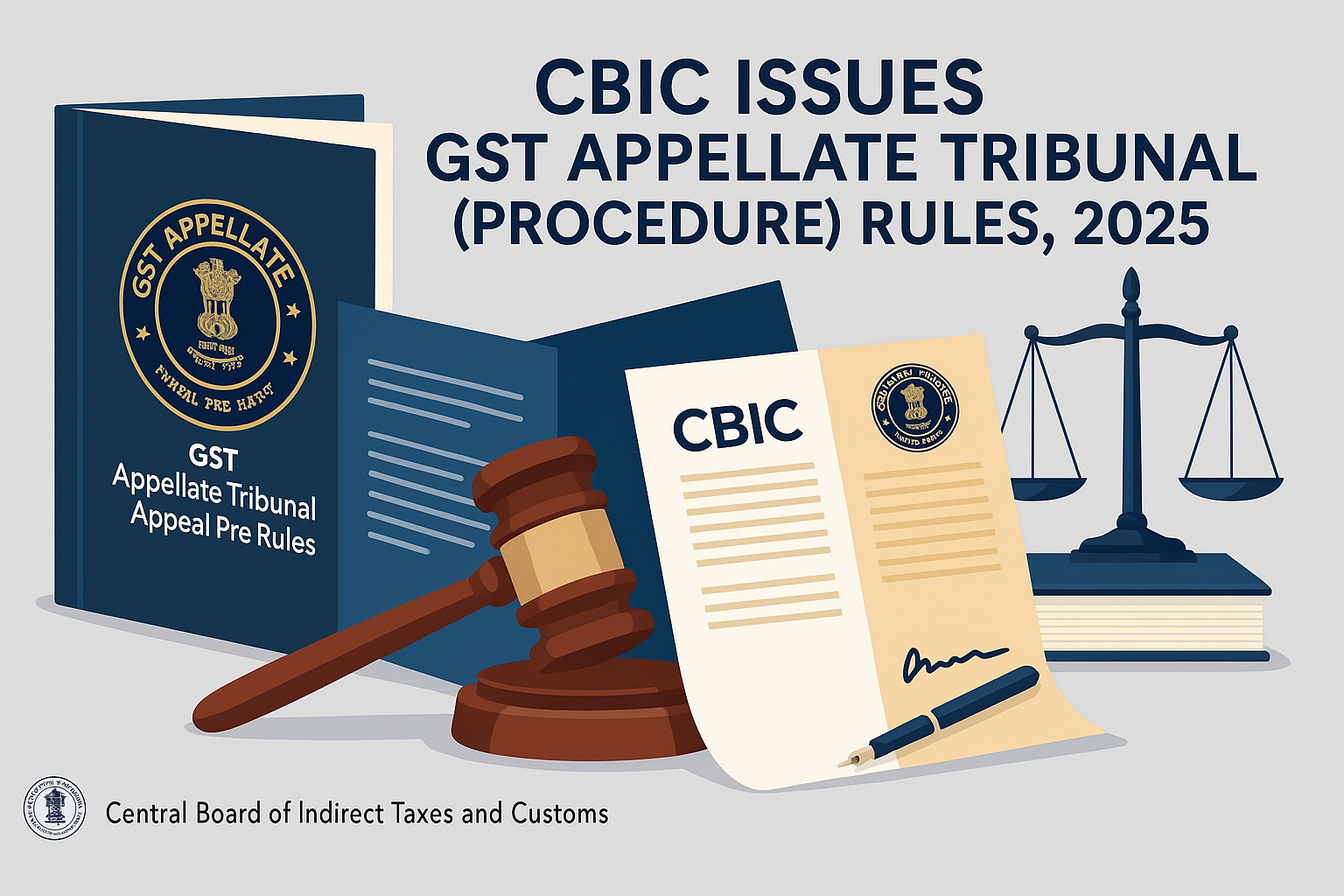
The establishment of the GST Appellate Tribunal (GSTAT) has addressed a significant gap in India’s GST framework. While not yet fully operational, its creation marks a key milestone in improving the resolution of tax disputes. In May 2024, Union Finance and Corporate Affairs Minister Nirmala Sitharaman administered the oath of integrity and secrecy to Justice (Retd.) Sanjaya Kumar Mishra, who was appointed as the President of the GSTAT in New Delhi. This appointment signifies the initial steps toward operationalising the Tribunal, which is expected to play a pivotal role in addressing GST-related disputes.

Created under the Central Goods and Services Tax Act, 2017, the GSTAT functions as an appellate authority for disputes under both central and state GST laws. The Tribunal consists of a Principal Bench in New Delhi and 31 State Benches across the country, as approved by the GST Council. The process of appointing Judicial and Technical Members to the Tribunal is ongoing.

Designed to deliver timely, fair, and effective dispute resolution, the GSTAT aims to reduce the burden on higher courts and strengthen the GST system.

Tax expert Sandeep Sehgal, Partner-Tax at AKM Global, said, “The GSTAT is a much-needed reform. Once operational, it will cut down litigation time and costs, offering businesses a dedicated mechanism for dispute resolution.”

Rationalization of GST Rates

The aviation sector benefitted from a uniform 5 per cent GST on all imports of aircraft components and engine parts, replacing the earlier rates ranging from 5 per cent to 28 per cent, a move aimed at boosting the domestic maintenance, repair, and overhaul (MRO) industry.

In the used vehicle market, the Council imposed an 18 per cent GST on sales by registered sellers while keeping private transactions exempt. Food product taxation also saw adjustments, with differentiated rates for popcorn, 5 per cent for non-branded salted popcorn, 12 per cent for pre-packaged and branded variants, and 18 per cent for caramel popcorn, also sparking public debate on the system’s complexity.

Additionally, discussions were initiated to lower GST on online food delivery charges from 18 per cent to 5 per cent.

Introduction of Biometric Authentication

To enhance compliance and curb tax evasion, the GST Council introduced biometric authentication for high-risk taxpayers in 2024.

Effective July 10, 2024, biometric Aadhaar authentication became mandatory for GST registration across India by the Ministry of Finance.

This initiative, introduced as part of the decisions made during the 53rd GST Council meeting, aims to strengthen verification procedures and improve the registration process.

This measure requires certain businesses to verify their identity through biometric data, such as fingerprints or facial recognition, during GST registration. The initiative targets entities flagged for suspicious activities, including fake invoicing and identity theft, which have historically caused revenue leakages.


Source link

Essential Rules for E-Way Bill Cancellation and Rejection

Cancellation of EWB

Can the e-way bill be deleted or cancelled?

The e-way bill once generated cannot be deleted. However, it can be cancelled by the generator within 24 hours of generation. If a particular EWB has been verified by the proper officer, then it cannot be cancelled. Further, e-way bill can be cancelled if either goods are not transported or are not transported as per the details furnished in the e-way bill.

Whether the e-way bill can be cancelled?

If yes, under what circumstances? Yes, e-way bill can be cancelled if either goods are not transported or are not transported as per the details furnished in the e-way bill. The e-way bill can be cancelled within 24 hours from the time of generation.

Is e-way bill required in case it gets cancelled during the transit i.e. either during its movement or during its storage in a warehouse by the transporter?

E-way bill is a document which is required for movement of goods from supplier’s place of business to recipient’s place. Therefore, goods in movement (including when they are stored in the transporter’s godown even if godown is located in recipient’s city/town prior to delivery) shall always be accompanied by a valid eway bill.

Rejecting EWB

Who can reject the e-way bill and. Why?

The person who causes transport of goods shall generate the e-way bill specifying the details of other person as a recipient of goods. There is a provision in the common portal for the other party to see the e-way bill generated against his/her GSTIN. As the other party, one can communicate the acceptance or rejection of such consignment specified in the e-way bill. If the acceptance or rejection is not communicated within 72 hours from the time of generation of e-way Bill or the time of delivery of goods whichever is earlier, it will be deemed that he has accepted the details.

How does the taxpayer or recipient come to know about the e-way bills generated on his GSTIN by other person/party?

As per the rule, the taxpayer or recipient can reject the e-way bill generated on his GSTIN by other parties. The following options are available for him to see the list of e-way bills:

• He can see the details on the dashboard, once he logs into the system.

• He will get one SMS everyday indicating the total e-way bill activities on his GSTIN.

• He can go to reject option and select date and see the e-way bills. Here, system shows the list of e-way bills generated on his GSTIN by others.

• He can go to report and see the ‘EWBs by other parties’.