Interest Rates Updated: Effective from 1 January 2026

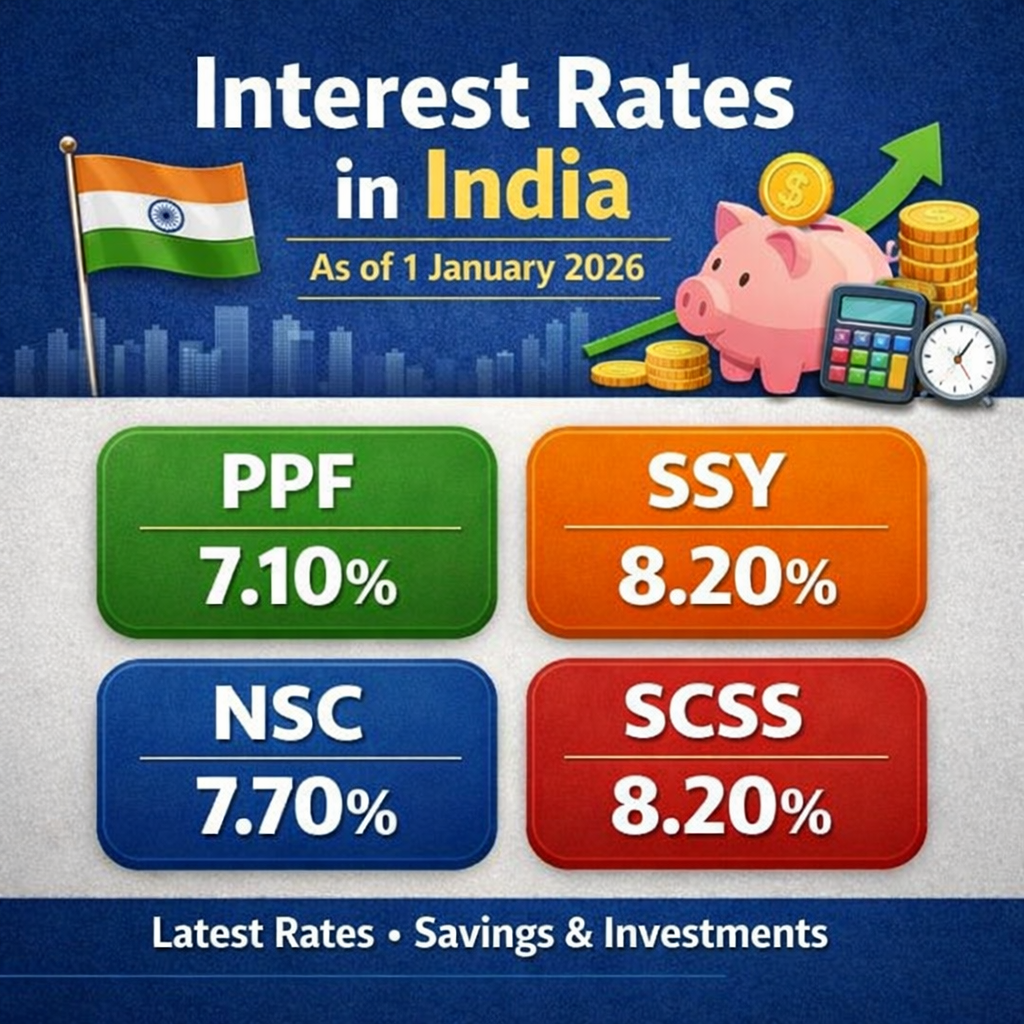
Interest Rates in India as on 1 January 2026

With effect from 1 January 2026, the Government of India has kept interest rates unchanged for most popular small savings and post office schemes for the January–March 2026 quarter. The rates continue at the same levels as the October–December 2025 quarter, offering stability and certainty to savers, retirees, and long-term investors.

Below is a detailed overview of the prevailing interest rates across key savings instruments in India.


1. Small Savings & Post Office Schemes (Jan–Mar 2026)

Government-backed small savings schemes continue to offer fixed, risk-free returns, along with tax benefits under the Income Tax Act.

Scheme Interest Rate (% p.a.) Key Features
Public Provident Fund (PPF) 7.10% Annual compounding; fully tax-free
National Savings Certificate (NSC) 7.70% 5-year maturity; eligible under Section 80C
Sukanya Samriddhi Yojana (SSY) 8.20% High return; tax-free; girl child scheme
Senior Citizen Savings Scheme (SCSS) 8.20% Quarterly interest payout
Kisan Vikas Patra (KVP) 7.50% Doubles in ~115 months
Post Office Savings Account 4.00% High liquidity
Time Deposit – 1 Year 6.90% Fixed tenure
Time Deposit – 2 Years 7.00% Fixed tenure
Time Deposit – 3 Years 7.10% Fixed tenure
Time Deposit – 5 Years 7.50% Long-term savings
Recurring Deposit – 5 Years 6.70% Monthly deposits
Monthly Income Scheme (MIS) 7.40% Regular monthly income

📌 Note: All above rates remain unchanged for the Jan–Mar 2026 quarter as per the Finance Ministry’s notification.


2. Public Provident Fund (PPF)

  • Interest Rate: 7.10% per annum

  • Tenure: 15 years (extendable in 5-year blocks)

  • Compounding: Annually

  • Tax Benefits:

    • Contribution eligible under Section 80C

    • Interest and maturity proceeds are fully exempt

PPF continues to be one of India’s most trusted long-term, tax-efficient savings options.


3. Sukanya Samriddhi Yojana (SSY)

  • Interest Rate: 8.20% p.a.

  • Target Group: Girl child

  • Investment Limit: ₹250 to ₹1.5 lakh per year

  • Tax Treatment: EEE (Exempt–Exempt–Exempt)

SSY currently offers one of the highest risk-free returns among government schemes, making it ideal for long-term goals like education and marriage.


4. National Savings Certificate (NSC)

  • Interest Rate: 7.70% p.a.

  • Maturity: 5 years

  • Tax Benefit: Eligible under Section 80C

  • Interest Taxation: Taxable, payable at maturity

NSC remains popular for investors seeking assured returns with tax-saving benefits.


5. Senior Citizen Savings Scheme (SCSS)

  • Interest Rate: 8.20% p.a.

  • Eligibility: Individuals aged 60 years and above

  • Interest Payment: Quarterly

  • Tax Benefit: Eligible under Section 80C

SCSS is well-suited for retirees seeking stable and regular income.


6. Post Office Time Deposits & MIS

Post Office deposits function similarly to bank fixed deposits but carry sovereign guarantee.

  • 1-Year TD: 6.90%

  • 2-Year TD: 7.00%

  • 3-Year TD: 7.10%

  • 5-Year TD: 7.50%

  • 5-Year RD: 6.70%

  • MIS: 7.40%

  • Savings Account: 4.00%

These options are useful for conservative investors and laddered investment strategies.


7. Bank Fixed Deposits (FDs)

Bank FD rates are not government-notified and differ based on bank policy and tenure.

Recent trends (late December 2025):

  • Leading banks such as SBI and HDFC Bank have marginally reduced FD rates on select tenures.

  • Typical general FD rates range between 6.40% to 7.00%.

  • Senior citizens usually receive ~0.50% extra.

  • Interest income is taxable, and TDS applies if annual interest exceeds ₹50,000.

📌 Investors should always check bank-specific FD rates before investing.


8. National Pension System (NPS)

Unlike fixed-interest schemes, NPS delivers market-linked returns.

  • Expected Long-Term Returns: ~8%–10% (variable)

  • Tax Benefits:

    • Up to ₹1.5 lakh under Section 80C

    • Additional ₹50,000 under Section 80CCD(1B)

NPS is suitable for retirement planning but should be chosen based on risk appetite and investment horizon.


Summary – Interest Rates as of 1 January 2026

Scheme Rate (% p.a.) Key Advantage
PPF 7.10% Tax-free maturity
NSC 7.70% 80C benefit
SSY 8.20% Highest small savings rate
SCSS 8.20% Regular income
KVP 7.50% Capital doubling
Post Office TD (5 yr) 7.50% Government guarantee
MIS 7.40% Monthly income
Savings Account 4.00% Liquidity
Bank FDs ~6.40–7.00% Bank-specific
NPS ~8–10% Market-linked growth
More Time for Compliance! MCA Annual Filing Date Extended

MCA Annual Filing Deadline Extended Without Late Fees

(General Circular No. 08/2025 dated 30 December 2025)

The Ministry of Corporate Affairs (MCA) has provided significant compliance relief by issuing General Circular No. 08/2025 dated 30 December 2025, extending the timeline for filing Annual Returns and Financial Statements for FY 2024-25 without charging any additional (late) fees.

This extension comes as a major relief for companies, directors, and compliance professionals (CA/CS/CMA) who were unable to complete their annual filings within the original statutory deadlines.


1. Context of the MCA Circular

Earlier, MCA had released General Circular No. 06/2025 dated 17 October 2025, granting partial relaxation from additional fees for certain annual filings. Following continued representations from stakeholders and considering genuine practical challenges, MCA has now further extended this relaxation through Circular No. 08/2025, with approval from the Competent Authority.


2. Revised Due Date – Major Relief

New final date: 31 January 2026

Companies may now file their annual compliance forms for FY 2024-25 up to 31 January 2026 without incurring any additional fees.

⚠️ This relief applies only to the waiver of late fees. Normal filing fees, wherever applicable, must still be paid.


3. MCA Forms Covered Under the Extension

The waiver applies to the following e-forms related to Annual Returns and Financial Statements for FY 2024-25:

📄 Annual Return Forms

  • MGT-7

  • MGT-7A (OPC and related entities)

📊 Financial Statement Forms

  • AOC-4

  • AOC-4 XBRL

  • AOC-4 CFS

  • AOC-4 CFS NBFC (Ind AS)

  • AOC-4 NBFC (Ind AS)


4. Meaning of “Without Additional Fees”

  • No late fee or additional fee will be levied if the above forms are filed on or before 31 January 2026.

  • Filings made after this date will attract normal additional fees and penalties as prescribed under the Companies Act, 2013.

  • This is a one-time compliance relaxation and should be utilized prudently.


5. Key Clarifications

📌 Only the filing deadline has been extended; all statutory requirements, disclosures, and certifications remain unchanged.
📌 The circular does not grant immunity from penalties for any other violations under the Companies Act.
📌 The benefit is restricted strictly to FY 2024-25 and does not apply to previous years.


6. Who Stands to Gain the Most?

This extension is particularly helpful for:

  • Companies affected by audit delays

  • Entities facing MCA portal or technical issues

  • Start-ups, SMEs, and NBFCs

  • Professionals managing large volumes of annual filings

  • Companies seeking to avoid substantial late fees and penal exposure


7. Recommended Action Points

✔ Identify pending MGT-7 / MGT-7A / AOC-4 filings for FY 2024-25
✔ Finalise accounts and obtain necessary approvals immediately
✔ Avoid last-minute filing to prevent portal congestion
✔ Ensure correctness of data to avoid future notices
✔ Maintain proof of filing completed before 31 January 2026


Final Takeaway

31 January 2026 is the last and final opportunity to complete MCA Annual Filings for FY 2024-25 without incurring additional fees. Missing this deadline may lead to substantial late fees and penal consequences for both the company and its officers.

This MCA relaxation should be viewed as a valuable compliance window, not a reason to delay further.

RBI puts Phase 2 of Cheque Truncation System on hold

The decision follows operational issues faced during the rollout of Phase 1.

The Reserve Bank of India (RBI) has deferred the implementation of Phase 2 of Continuous Clearing and Settlement on Realisation under the Cheque Truncation System (CTS) until further directions. The move is aimed at allowing banks additional time to stabilise and fine-tune their processes.

Phase 2 was originally scheduled to come into effect from January 3, 2026. However, the RBI cited challenges experienced during Phase 1 as the primary reason for the postponement.

After the introduction of the same-day cheque clearance facility on October 4, 2025, several banks, businesses, and individual customers reported delays in cheque realisation, highlighting system and operational glitches.

Under Phase 2, the item expiry time for cheques was proposed to be revised to T+3 clear hours. For instance, cheques received by the drawee bank between 10 am and 11 am would be required to be either positively or negatively confirmed by 2 pm, i.e., within three hours from the cut-off time.

If no confirmation is received from the drawee bank within the stipulated three-hour window, the cheque would be deemed approved and automatically included in the 2 pm settlement cycle.

Additionally, in its latest circular to banks, the RBI announced revisions in session timings. The presentation session has been rescheduled to 9 am to 3 pm, instead of the earlier proposed 10 am to 4 pm, while the confirmation session timing has been adjusted to 9 am to 7 pm, from the previously envisaged 10 am to 7 pm as mentioned in the August 2025 circular.

CBDT detects fake claims related to political and charitable donations

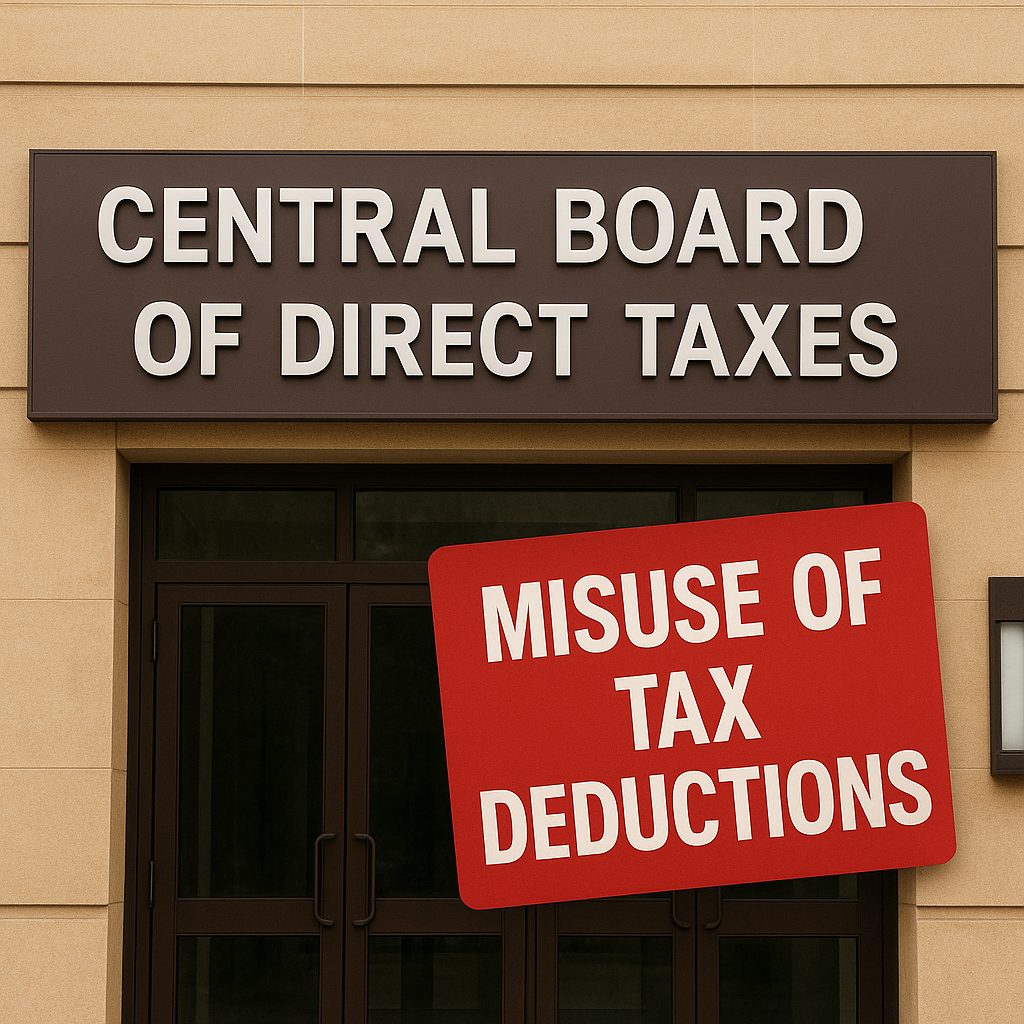
The Central Board of Direct Taxes (CBDT) has detected large-scale misuse of income tax deductions claimed for political and charitable donations. On Saturday, the board said it has identified widespread fraudulent claims linked to such contributions and has initiated a targeted outreach campaign from December 12, urging taxpayers to recheck their returns and voluntarily withdraw incorrect claims.

According to the CBDT, several taxpayers had claimed deductions for donations made to Registered Unrecognised Political Parties (RUPPs) that were later found to be inactive, non-compliant in filing returns, or not engaged in any genuine political activity.

Investigations by the Income Tax Department also revealed the involvement of intermediaries who filed tax returns containing false claims of deductions and exemptions under the Income Tax Act, often in exchange for commissions. These intermediaries allegedly issued fake donation receipts, allowing taxpayers to unlawfully reduce their tax liability and claim illegitimate refunds. Action has already been initiated against such entities.

Further follow-up searches uncovered evidence of fictitious donations and bogus Corporate Social Responsibility (CSR) claims made by companies. Authorities also found indications that certain entities were being used as channels for routing funds, including suspected hawala transactions and cross-border remittances. Proceedings against these intermediaries are currently underway.

Using data analytics, the CBDT identified taxpayers who had availed themselves of such suspicious donations and transactions. When contacted, many of them failed to provide adequate evidence to prove the genuineness of their claims. As a result, several taxpayers have already revised their returns for the current assessment year 2025–26 and filed updated returns for earlier years.

To facilitate voluntary compliance, the CBDT has launched a “nudge” campaign, offering taxpayers an opportunity to correct their returns without coercive action. SMS and email advisories are being sent to identified taxpayers from December 12 on their registered contact details. The board has also advised taxpayers to ensure that their mobile numbers and email addresses are updated to avoid missing official communications.

ICAI advertising reforms and global networking rules cleared to strengthen domestic firms

The Institute of Chartered Accountants of India (ICAI) has cleared a wide-ranging set of regulatory reforms designed to reinforce domestic chartered accountancy firms. The measures include a relaxation of long-standing advertising norms and the introduction of a structured framework to enable international collaborations.

Addressing the media after the 447th Council meeting, ICAI President CA Charanjot Singh Nanda said the decisions reflect evolving market dynamics and professional needs. “These changes update the regulatory architecture and offer greater certainty to firms navigating a rapidly transforming business environment,” he said. ICAI Vice President CA Prasanna Kumar D was also present during the briefing.

Advertising Norms Liberalised After Years

The Council approved amendments to the Advertisement and Website Guidelines under the revised 13th edition of the Code of Ethics, which will take effect from April 1, 2026. The revised rules allow a wider range of advertising formats, enhanced descriptive content, and the use of push notifications for non-exclusive services such as consultancy and accounting.

In a key change, ICAI-registered network firms will now be allowed to operate their own websites, a move expected to improve outreach, branding, and coordination within professional networks.

According to Nanda, these revisions align existing norms with contemporary digital practices and provide firms with greater flexibility to communicate their services.

Framework for International Networking and Partnerships

Among the most significant decisions was the approval of the ICAI (Global Networking) Guidelines, 2025. These guidelines establish a formal mechanism for Indian firms, domestic networks, and ICAI-registered consulting entities to collaborate with overseas firms.

ICAI said the framework is aimed at empowering mid-sized and growing firms by facilitating access to global expertise, technology, and cross-border opportunities, while ensuring transparency through defined disclosure and compliance requirements.

Adoption of Updated Global Ethical Standards

The Council also adopted the 2024 Code of Ethics issued by the International Ethics Standards Board for Accountants (IESBA), introducing stricter norms on auditor independence.

Notable provisions include restrictions on audit firms undertaking Public Interest Entity (PIE) audits if they have rendered conflicting non-assurance services, expanded applicability of Non-Compliance with Laws and Regulations (NOCLAR) requirements to all listed entities and their key subsidiaries, and the inclusion of ethical standards for sustainability assurance engagements.

Additionally, the list of permitted Management Consultancy and Other Services has been widened to cover emerging areas such as artificial intelligence-related work, forensic accounting, and social-impact evaluations. The Council also recommended that audit fees be received only through banking or digital modes.

UDIN Milestone Achieved

ICAI said the issuance of Unique Document Identification Numbers (UDINs) crossed the 10-crore mark during the year, calling it a significant milestone in strengthening document authentication and professional transparency.

WOFA 2.0 Scheduled for 2026

The Institute further announced that the second edition of the World Forum of Accountants (WOFA 2.0) will be held from January 30 to February 1, 2026, at the India Expo Centre in Greater Noida. The event is expected to attract over 20,000 participants from more than 40 countries.

₹2,000 crore paid back till date under ‘Your Money, Your Right’ drive

Prime Minister Narendra Modi on Wednesday said that close to ₹2,000 crore has already been returned to rightful claimants under the government’s ‘Your Money, Your Right’ initiative, which was launched in October 2025 to help citizens recover long-forgotten financial assets.

In a post on social media, the Prime Minister said the initiative aims to ensure that every individual is able to reclaim money that legally belongs to them.

“Forgotten financial assets can be transformed into new opportunities. I urge everyone to participate in the ‘Your Money, Your Right’ movement,” PM Modi said.

The Prime Minister pointed out that a substantial amount of public money continues to remain unclaimed across various financial institutions in India. According to official data, banks are currently holding nearly ₹78,000 crore in unclaimed deposits. Insurance companies account for another ₹14,000 crore in unclaimed policy proceeds.

In addition, around ₹3,000 crore remains unclaimed with mutual fund houses, while unpaid dividends worth approximately ₹9,000 crore are also lying idle.

“These figures have come as a surprise to many, especially since they represent the hard-earned savings and investments of countless families,” the Prime Minister noted.

To simplify and bring transparency to the claim process, the government, along with financial regulators, has launched dedicated online portals to help citizens trace and recover their funds. These include the RBI’s UDGAM Portal for unclaimed bank deposits, IRDAI’s Bima Bharosa Portal for insurance-related claims, SEBI’s MITRA Portal for unclaimed mutual fund amounts, and the Ministry of Corporate Affairs’ IEPFA Portal for unpaid dividends and unclaimed shares.

PM Modi also highlighted that facilitation camps have been organised in 477 districts across both rural and urban India, with special emphasis on remote areas to ensure wider outreach and accessibility.

Through coordinated efforts involving the government, regulators, banks and financial institutions, nearly ₹2,000 crore has already been returned to citizens, he said.

The Prime Minister urged people to help expand the initiative by checking whether they or their family members have any unclaimed deposits, insurance payouts, dividends or investments. He encouraged citizens to make use of the dedicated portals and facilitation camps to recover their money.

“Take action today to claim what is rightfully yours and turn a forgotten financial asset into a new opportunity. Your money belongs to you, and together we must ensure it reaches its rightful owner. Let us work towards a transparent, financially empowered and inclusive India,” PM Modi said.

Important Update for All Employees! The New Labour Codes 2025 and All Four Revised Labour Laws Are Now in Effect

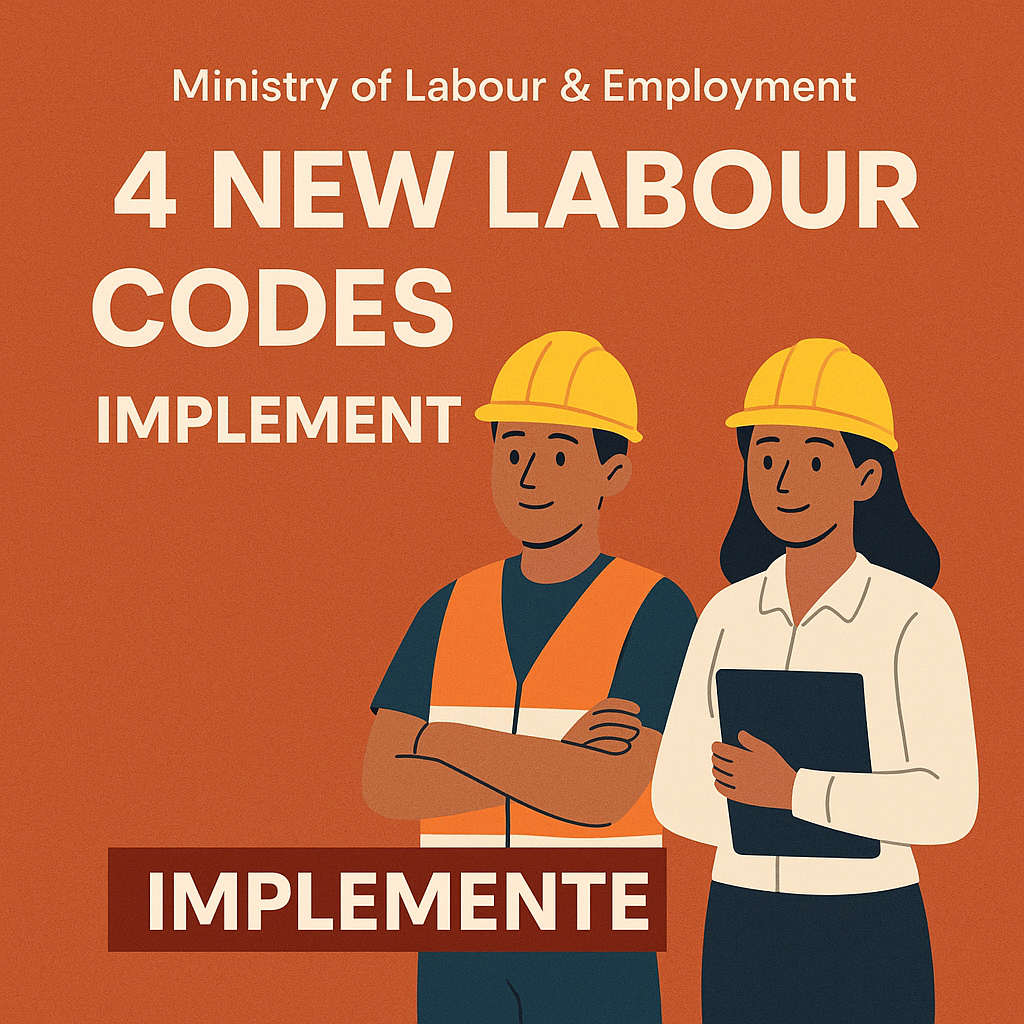
On 21 November 2025, the Ministry of Labour & Employment announced the long-awaited implementation of all four Labour Codes — a transformative consolidation of 29 Central labour laws into four simplified, modern, and comprehensive Codes:

  1. Code on Wages, 2019
  2. Industrial Relations Code, 2020
  3. Code on Social Security, 2020
  4. Occupational Safety, Health and Working Conditions (OSHWC) Code, 2020

This landmark move modernises India’s labour framework, improves worker protection, simplifies compliance for industries, and aligns India with global labour standards — a major reform supporting Aatmanirbhar Bharat.


Why Labour Reforms Were Needed

Most existing labour laws were drafted between 1930 and 1950, when the nature of work, employer–employee relationships, and industry structures were vastly different. Over the years, global economies have consolidated and upgraded their labour laws, but India continued to function under fragmented, outdated, and complex regulations.

Challenges under the old regime included:

  • Multiple registrations and returns
  • Unequal wage protection
  • Limited coverage of PF, ESIC, and social security
  • Restrictions on women’s employment
  • High compliance burden on MSMEs
  • Lack of protection for gig, platform, and fixed-term workers

The new Labour Codes bring a uniform, transparent, and technology-driven labour ecosystem that strengthens both worker welfare and industrial productivity.


Before vs After: Key Transformations Under the Four Labour Codes

The following table summarises the shift from the old system to the new labour regime:

1. Formalisation of Employment

  • Earlier: Appointment letters not mandatory
  • Now: Mandatory written appointment letters for all workers → transparency, job security, formal recognition

2. Social Security Coverage

  • Earlier: Limited coverage; gig/platform workers not recognised
  • Now: PF, ESIC, insurance & other benefits available to all workers, including gig & platform workers

3. Minimum Wages

  • Earlier: Applied only to scheduled industries; many workers excluded
  • Now: Statutory minimum wages for all workers under the Code on Wages

4. Preventive Healthcare

  • Earlier: No mandatory annual check-ups
  • Now: Free annual health check-up for all workers aged 40+

5. Timely Payment of Wages

  • Earlier: No uniform requirement
  • Now: Mandatory timelines for wage payment → enhanced financial stability

6. Women in Workforce

  • Earlier: Restrictions on night shifts and certain occupations
  • Now: Women permitted in all jobs and night shifts with consent & safety measures → equal opportunities

7. ESIC Coverage

  • Earlier: Limited to notified areas & certain industries
  • Now:Pan-India coverage, including:
    • Voluntary for establishments < 10 employees
    • Mandatory for even 1 worker in hazardous units

8. Compliance Burden

  • Earlier: Many licences, separate registrations, multiple returns
  • Now: Single registration, single licence, single return → low compliance burden

Sector-wise Benefits Under the Labour Codes

1. Fixed-Term Employees (FTE)

  • FTEs get all benefits equal to permanent workers
  • Gratuity eligibility after 1 year (instead of 5 years)
  • Equal wages & better protection
  • Encourages direct hiring, reduces contract labour exploitation

2. Gig & Platform Workers

For the first time, the Codes legally define:

  • Gig workers
  • Platform workers
  • Aggregators

Key provisions:

  • Aggregators to contribute 1–2% of annual turnover (capped at 5% of worker payouts)
  • Aadhaar-linked Universal Account Number ensures portability of benefits across states

On 21 November 2025, the Ministry of Labour & Employment officially confirmed that the long-discussed labour law overhaul is now a reality. India has put into force all four new Labour Codes, replacing 29 separate Central labour laws with a unified, updated, and simplified framework. These four Codes are:

  • Wages Code, 2019

  • Industrial Relations Code, 2020

  • Social Security Code, 2020

  • Occupational Safety, Health & Working Conditions Code, 2020

This marks one of the biggest reforms in India’s labour system, aimed at strengthening worker rights, reducing compliance burden for employers, and bringing India’s labour ecosystem in line with international standards—supporting the government’s broader push towards Aatmanirbhar Bharat.

(Click here for the official press release.)


Why Did India Need These New Labour Codes?

For decades, India relied on labour laws written in the early to mid-20th century. These laws were created for an era with different industries, limited technology, and a smaller workforce. As the economy grew, these outdated laws became complex, overlapping, and difficult to comply with.

The old system had several issues:

  • Multiple registrations and numerous return filings

  • Minimum wage inconsistencies across sectors

  • Many workers excluded from PF, ESIC, and social security

  • Restrictions on women’s working hours and roles

  • High compliance costs for small and medium businesses

  • No legal coverage for gig workers, platform workers, or fixed-term employees

By replacing 29 laws with 4 broad codes, the government has created a centralised, transparent, and digitally integrated labour system that benefits both workers and employers.


Before vs After: Key Reforms Under the Labour Codes

1. Job Formalisation

  • Earlier: Appointment letters often not issued

  • Now: Appointment letters are compulsory for all workers → better protection & clarity

2. Wider Social Security Access

  • Earlier: Only workers in certain industries were covered

  • Now: PF, ESIC, maternity and other social security benefits extend to all worker categories, including gig and platform workers

3. Universal Minimum Wage

  • Earlier: Minimum wages applied only to specific scheduled sectors

  • Now: Every worker is entitled to statutory minimum wages

4. Health Benefits

  • Earlier: No rule for regular medical check-ups

  • Now: Annual health check-up is mandatory for workers aged 40+

5. Standard Wage Payment Timelines

  • Earlier: No uniform rule

  • Now: Strict deadlines ensure timely payment of wages

6. More Opportunities for Women

  • Earlier: Women faced restrictions in certain jobs and in night work

  • Now: Women can work across all sectors, including night shifts, with consent and safety measures

7. ESIC for All Regions

  • Earlier: ESIC limited to notified areas

  • Now: ESIC available across the country, including:

    • Voluntary coverage for units with <10 workers

    • Mandatory for hazardous establishments even with 1 worker

8. Simpler Compliance Structure

  • Earlier: Many licences, registrations and separate returns

  • Now: Single registration, single licence, single return → easier compliance for businesses


Who Benefits the Most?

1. Fixed-Term Employees (FTEs)

  • Same benefits as permanent staff

  • Eligible for gratuity after 1 year

  • Equal wages and protections

  • Promotes direct hiring instead of contract labour

2. Gig Workers & Platform Workers

For the first time, these categories are legally recognised.

Key features:

  • Aggregator platforms must contribute 1–2% of turnover to social security (capped at 5% of payouts)

  • Workers get Aadhaar-linked Universal Account Numbers ensuring portability of benefits


3. Contract Workers

  • Contract labour will now receive the same social security and health-related benefits as permanent employees.

  • Annual medical check-ups are compulsory.

  • Fixed-Term Employees (FTEs) become eligible for gratuity after completing just one year.

  • The primary employer is accountable for ensuring contractor workers’ welfare.


4. Women Workers

  • Equal pay for equal work is mandated across sectors.

  • Women can work in night shifts, hazardous environments, mining, and heavy machinery—subject to their consent and adequate safety protocols.

  • The definition of “family” now includes parents-in-law.

  • Every workplace grievance committee must include women representatives.


5. Young Workers

  • Minimum wages are guaranteed for youth entering the workforce.

  • Written appointment letters are compulsory.

  • Wages must be paid even when the worker is on leave.

  • A national floor wage ensures a decent standard of living.


6. MSME Workforce

  • All MSME workers fall under the Social Security Code.

  • Minimum wage protection is universal.

  • Employers must provide drinking water, rest spaces, canteens, and basic safety measures.

  • Working hours, overtime rules, and paid leave are standardised.

  • Timely payment of wages is mandatory.


7. Beedi & Cigar Workers

  • Minimum wages apply to all workers in the sector.

  • Working hours capped at 8–12 hours per day and 48 hours weekly.

  • Overtime must be paid at double the regular wage rate.

  • Workers become eligible for bonus after 30 days of employment.


8. Plantation Workers

  • Fully covered under the OSHWC and Social Security Codes.

  • Applicable to plantations with over 10 workers or 5 hectares+.

  • Mandatory safety training, PPE, and safe working conditions.

  • ESIC benefits extend to workers and their families.

  • Education facilities for workers’ children are required.


9. Audio-Visual & Media Personnel

  • Covers journalists, voice artists, stunt performers, and more.

  • Appointment letters are obligatory.

  • Wages must be paid promptly.

  • Overtime compensation at double wages.

  • Full social security coverage is ensured.


10. Mine Workers

  • Travel-related accidents are treated as employment-related (subject to conditions).

  • National occupational safety standards apply.

  • Annual free medical check-ups for all mine workers.

  • Work hours capped at 8–12 hours/day, 48 hours/week.


11. Workers in Hazardous Industries

  • Free annual medical examinations are compulsory.

  • Uniform national safety guidelines must be followed.

  • Women can be employed even in hazardous roles with safeguards.

  • Safety committees must be set up at every hazardous site.


12. Textile Sector Employees

  • Migrant and permanent workers receive equal wages and welfare benefits.

  • Claims for outstanding dues can be filed up to 3 years.

  • Overtime payments are mandatory at double the wage rate.


13. IT & ITeS Employees

  • Salaries must be credited no later than the 7th of every month.

  • Women are permitted night shifts with adequate protection.

  • Grievances on wages and harassment must be resolved swiftly.

  • Appointment letters and equal pay for equal work are compulsory.


14. Dock Workers

  • Appointment letters required for every worker.

  • PF, pension, and insurance benefits apply to contract and temporary workers as well.

  • Employers must fund annual medical check-ups.

  • Hygiene, welfare, and first-aid facilities are mandatory.


15. Export Industry Workers

  • Fixed-term workers entitled to gratuity, PF, and other social security benefits.

  • Eligible for annual leave after 180 days of service.

  • Timely wage payment is compulsory; overtime paid at double the rate.

  • Women can work night shifts with their consent and safety measures.


Additional Major Reforms Under the Labour Codes

  • Introduction of a National Floor Wage across India.

  • Gender-neutral provisions, including protections for transgender workers.

  • Inspector-cum-Facilitator model promoting support before penalties.

  • Faster dispute settlement through upgraded Industrial Tribunals.

  • One licence and one registration for working condition compliance.

  • National OSH Board for safety standard-setting.

  • Mandatory safety committees for establishments with 500+ workers.

  • Higher factory thresholds to ease compliance for smaller units.

Transitional arrangements ensure that earlier laws will continue until notifications under the new Codes are fully operational.


Impact on India’s Social Security Framework

India’s social security coverage increased from 19% (2015) to 64% (2025). The new Codes further strengthen this by ensuring:

  • Universal and portable social security benefits

  • Protection for gig workers, platform workers, migrant labour, women, and young workers

  • Reduced compliance burden on employers

  • Improved job creation and workforce skilling


Conclusion

The implementation of the four Labour Codes is the most significant labour policy transformation in India’s history. It modernises labour governance, enhances worker rights, simplifies compliance for industries, and prepares the workforce for the demands of a fast-evolving economy. This progressive shift strengthens a worker-centric, youth-focused, gender-equal, and employment-driven ecosystem—accelerating India’s path toward a stronger, future-ready, and self-reliant nation.

दिवाळीच्या हार्दिक हार्दिक शुभेच्छा

दिवाळीच्या हार्दिक हार्दिक शुभेच्छा

दिवाळी म्हणजे काय?

दिवाळी हा भारतातील एक महत्त्वाचा सण आहे, जो प्रत्येक वर्षी कार्तिक महिन्यात साजरा केला जातो. याला ‘दीपावली’ असेही म्हणतात आणि हा सण भारताच्या विविध भागांत विविध पद्धतींनी साजरा केला जातो. दिवाळीच्या उत्सवाचे मुख्य कारण म्हणजे अंधारातून प्रकाशाकडे, चांगुलपणाकडे व प्रकाशाच्या विजयाकडे नेणे, हेच आहे. या दिवशी पुराणानुसार Lord रामचंद्रांनी रावणावर विजय मिळवून अयोध्येत परतले होते. त्यामुळे दिवाळीचा सण श्रीरामाच्या स्वागतासाठी साजरा केला जातो.

दिवाळीच्या सणात विविध धार्मिक व सांस्कृतिक गोष्टींचा समावेश असतो. सणाच्या तयारीच्या काळात लोक आपले घरे स्वच्छ आणि सुशोभित करतात, विशेषतः घराच्या प्रवेशद्वाराजवळ दीप किंवा कंदील लावले जातात. या दिवशी लक्ष्मी पूजेची विशेष महत्त्व आहे, कारण देवी लक्ष्मीची पूजा करून लोक धन, समृद्धी आणि खुशालीची प्रार्थना करतात. पूजा संपल्यानंतर, लोक एकत्र येऊन गोड पदार्थांचे आदानप्रदान करतात, ज्यामुळे एकत्रतेची भावना प्रकट होते.

फटाक्यांचा उपयोग दिवाळीत मोठ्या उत्साहात केला जातो, जो अंधारात प्रकाश करतो आणि आनंद व्यक्त करतो. यामध्ये फटाके फोडण्याच्या पारंपरिक पद्धतींपेक्षा देखील, सुरक्षा आणि पर्यावरणाची काळजी घेणे आवश्यक आहे. कारण, फटाक्यांच्या धुरामुळे आणि आवाजाने काही घटकांवर नकारात्मक परिणाम होऊ शकतात. दिवाळीच्या उत्सवाच्या वेळी सर्वांनी एकत्र येऊन साजरा करणे, एकमेकांच्या आनंदात सहभागी होणे व अंधारातून प्रकाशाकडे पाहणे हे अत्यंत महत्त्वाचे आहे.

दिवाळीचे महत्त्व

दिवाळी, भारतीय उपखंडातील एक महत्त्वाचा सण, केवळ धार्मिक दृष्ट्या महत्वाचा नाही, तर सामाजिक दृष्ट्या देखील अत्यंत महत्त्वाचा आहे. हा सण प्रकाशाचा, आनंदाचा, आणि एकत्र येण्याचा प्रतिनिधित्व करतो. दिवाळीच्या उत्सवाद्वारे, विविध तीर्थयात्रा, पूजा आणि कार्यक्रमांचे आयोजन करण्यात येते, ज्यामुळे लोक आनंदाने एकत्र येतात आणि आपले संबंध दृढ करतात.

दिवाळीच्या सणाचे सामाजिक महत्त्व मुख्यतः विविध जाती, धर्म आणि संस्कृतींची एकत्रीकरण करण्याच्या क्षमतेवर आहे. या सणात, हिंदू, मुस्लिम, सिख, बौद्ध आणि इतर समाजांचे लोक एकत्र येऊन उत्सव साजरा करतात. हे विविधतेत एकता दर्शवते आणि समाजात सहिष्णुता आणि स्नेहाचा संचार करते. यामुळे, नातेसंबंधांची मजबुती आणि जागतिक एकतेचा संकल्पना साकार होते.

सणाच्या निमित्ताने, लोक आपल्या घरांचे साजशृंगार करतात, वर्तुळाकार महाराज्यांवर आणि मंदिरांवर दिवे लावतात, जे त्याच्या धार्मिक महत्त्वाबरोबरच, सामाजिक साठी देखील महत्त्वाचे आहे. दिवाळीच्या दिवशी, अनेक ठिकाणी भव्य मेळावे, जल्लोष व क्रीडा स्पर्धांचे आयोजन केले जाते, ज्यामुळे लोक एकत्र येऊन आनंद साजरा करू शकतात. शारिरीक आणि मानसिक आध्यात्मिकता वाढविण्यासाठी, यामुळे एक सुखद अनुभव प्राप्त होतो.

दिवाळीचा सण फक्त एक धार्मिक अनुष्ठान नाही, तर तो आपल्या जीवनात सकारात्मकता, आनंद आणि एकतेचा संपूर्ण अनुभव प्रदान करतो. त्यामुळे हे समजून घेणे अत्यंत आवश्यक आहे की दिवाळीच्या उपक्रमात भाग घेणे आणि त्याला अधिक गती देणे प्रत्येकासाठी फायद्याचे असते.

दिवाळीच्या परंपरा आणि सण

दिवाळीचा सण भारतीय संस्कृतीतील एक महत्वाचा पर्व आहे, जो अंधारातून प्रकाशाकडे जाण्याचा संदेश देतो. या सणात विविध परंपरा आणि रितीरिवाजांचे पालन केले जाते, जे विविध समाजाच्या पहिल्या परंपरेशी जोडलेले आहेत. दिवाळीच्या सणासाठी घरे स्वच्छ करणे हे एक मुख्य कार्य असते. या काळात नेहमीपेक्षा अधिक लक्ष देऊन घराची व्यवस्था करण्यात येते, ज्यामुळे घरात सकारात्मक ऊर्जा आणि ताजगी येते.

दिवाळीत रंगरंगोटी देखील महत्त्वाची असते. लोक घराच्या भिंतींना नवीन रंगांनी रंगवतात आणि सजवतात. रंग-बिरंगी Lanterns लावणे हे दृश्यात एक विशेष रंग भरते, जे सर्वत्र आनंद आणि उत्साहाचे वातावरण निर्माण करते. पूजेच्या तयारीसाठी विविध धार्मिक सामग्री एकत्र केली जाते आणि घरातील विविध ठिकाणी मांडली जाते, ज्यामुळे सणाच्या म्हणा आवश्यकतेचा आदर केला जातो.

दिवाळीच्या दारात मिठाई मांडणे हा एक आनंददायक रिवाज आहे. या विशेष दिवशी अनेक प्रकारच्या गोड पदार्थांचा आनंद घेतला जातो, जे आपल्या प्रिय जनांसोबत शेअर केले जातात. काही ठिकाणी फटाक्यांची उडवणूक हा उत्सवाचा एक भाग आहे, तर काही ठिकाणी भव्य उधळले जाणारे फटाके शांततेचा सण म्हणून मानले जातात. यामुळे दिवाळीचा सण प्रत्येक ठिकाणी वेगळ्या प्रकारे साजरा केला जातो, परंतु एकत्रितपणे सगळीकडे आनंद आणि प्रकाशाचे प्रतीक आहे.

दिवाळीच्या शुभेच्छा देणे आणि काही खास वाण्या

दिवाळी, ज्याला ‘दीपावली’ असेही म्हणतात, हा प्रकाश आणि आनंदाचा सण आहे. या सणाच्या निमित्ताने, लोक एकमेकांना ‘दिवाळीच्या हार्दिक शुभेच्छा’ देऊन त्यांचा आनंद आणि एकता व्यक्त करतात. शुभेच्छा देणे केवळ एक प्रथा नाही तर प्रेम, आदर आणि सहकार्याच्या भावना प्रकट करण्याचा एक महत्त्वाचा मार्ग आहे. हा सण एक नवा आरंभ दर्शवतो आणि यामध्ये एकत्र येण्याचे एक उत्तम कारण आहे.

या विशेष दिवशी, गहूची चविष्ट पदार्थ, मिठाई, आणि इतर खास वाण्या एकत्र येतात. लोक त्यांच्या प्रियजनांना मिठाई, चाकल्या, आणि दिवाळीतले पारंपारिक भाज्या व मसाले भेट देण्यासाठी उत्सुक असतात. हे वाणे केवळ खाण्याच्या दृष्टिकोनातून महत्त्वाचे नाहीत, तर हे रंग, स्वरूप आणि चवीतून व्यक्त केलेले प्रेम आणि स्नेहाचे प्रतीक आहेत. ‘दिवाळीच्या हार्दिक शुभेच्छा’ देताना, आपले विचार खूप महत्त्वाचे आहेत, ज्यामुळे आपल्या स्थानिक समुदायात सकारात्मकता वाढवली जाते.

दिवाळीच्या निमित्ताने शुभेच्छा देणे आणि वाण्या सरतेशेवटी लोकांच्या नातेसंबंधांना बळकटी देण्यास मदत करते. नेक कार्यांमुळे संबंध अधिक मजबूत होतात, जे आपल्या सामाजिक जीवनात महत्त्वाचे ठरते. ‘दिवाळीच्या हार्दिक शुभेच्छा’ फक्त शब्दांची एक मालिका नाहीत, तर त्या भावना व मूल्यांची प्रतिकृती आहेत ज्यामुळे आपण सर्व एकत्र येऊन एकत्रितपणे या सणाचा आनंद घेतो.

दिवाळीच्या हार्दिक शुभेच्छा: सणाची महती आणि परंपरा

दिवाळी: सणाची ओळख

दिवाळी, ज्याला दीपावली म्हणूनही ओळखले जाते, हा भारतातील एक प्रमुख सण आहे, जो मुख्यतः प्रकाशाचा सण म्हणून साजरा केला जातो. या सणाची महती भारतीय संस्कृतीमध्ये अमूल्य आहे आणि हे पौराणिक कथांच्या माध्यमातून आजही जिवंत राहते. दिवाळीचा आधार मुख्यतः रामायणातील एक कथा आहे, ज्यात भगवान राम, सीता आणि लक्ष्मणांचा अयोध्येत परत येण्याचा सण साजरा केला जातो. याच वेळी, रावणाचा वध करून भगवान रामचा विजय प्रकाशाच्या प्रतिनिधित्वाचा प्रतीक बनतो.

दिवाळी उत्सवास अनेक गोष्टींचा समावेश आहे, जसे की लक्ष्मिपूजन, जे लक्ष्मी देवीच्या पूजेसाठी समर्पित आहे. देवी लक्ष्मी धन, समृद्धी आणि कल्याणाची अधिष्ठात्री देवता आहेत. त्यामुळे धनत्रयदशीमध्ये, ज्यादिवशी देवी लक्ष्मीसोबत धनवान गोष्टींचा पूजन केला जातो, हिंदू लोक महत्त्व दिला जातो. यानंतर नरक चतुर्थी पुजली जाते, ज्या दिवशी नरकातून सुटल्याबद्दल कृतज्ञता व्यक्त केली जाते.

दिवाळीमध्ये साजरे केले जाणारे इतर महत्वाचे उत्सव आहेत, जसे बालप्रतीपदा आणि भाऊबीज, ज्याद्वारे बहीण-भाईंचे प्रेम अधिक मजबूत केले जाते. बळी पाडवा हा सण सर्वासमोर एक समानता आणतो, ज्यामध्ये नवीन पिकांच्या आधारे विशेष खाद्यपदार्थ तयार केले जातात, हे सर्व दिवाळच्या सणाच्या मिठासात समृद्ध करते.

या सणाला एकत्रित रूपाने साजरे केले जाणारे अनेक सहली, प्रथा आणि सांस्कृतिक परंपरा आहेत, ज्यामुळे दिवाळीचा सण भारतीय समाजाच्या जीवनात महत्त्वपूर्ण स्थान गाठतो. या पार्श्वभूमीत, दिवाळी फक्त एक उत्सव नसून, सांस्कृतिक एकात्मतेचे आणि मानवतेच्या गोड गोष्टींचे प्रतीक आहे.

बसुबारास: सणाची सुरुवात

बसुबारास हा दिवाळी सणाच्या आगमनाची पहिली पायरी मानला जातो. हा दिन विशेषतः धनत्रयदशी च्या आधीच्या दिवशी साजरा केला जातो. या दिवशी विविध पारंपरिक रुजवाते आयोजित करून आत्मिक शुद्धता साधण्यास मदत होते. घराची स्वच्छता, नवीन वस्तूंची खरेदी, आणि गोळा करण्याची प्रक्रिया यामुळे हा दिवस महत्वाचा ठरतो.

या दिवशी लोक घरातील सर्व वस्त्र, सामान आणि उपकरणांची स्वच्छता करून त्यांच्या स्वच्छतेच्या विचाराने एक आगळा प्रकाश देतात. बसुबारासच्या दिवशी प्राचीन रीती-रिवाजानुसार लक्ष्मी माता यांचा मान केला जातो, ज्यामुळे धन व समृद्धीची प्राप्ती होते. ह्या प्रथेमध्ये घराच्या कोपर्यात किंवा अंगणात सौंदर्य वर्धनासाठी रंगाने सजवले जाते, जे सणाच्या आनंदात आवड निर्माण करते.

इतिहासात बसुबारासकडे भगवान श्रीरामाने सीतेला जाणून असलेल्या वस्त्रांचे महत्त्व सांगितले आहे. त्यानंतरच्या काळात या सणाचे महत्त्व आणखी वाढले. लोक आदिवासी परंपरा, संस्कृती व धार्मिक श्रद्धा याबद्दल जागरूक असून या दिवशी गोळा करण्यास उत्सुक असतात. बसुबारास सणानंतर धनत्रयदशी, नरक चतुर्थी, लक्ष्मिपुजन, आणि बालप्रतीपदा यांसारखे सण येतात. त्यामुळे आपल्या जीवनात लक्ष्मी आणि आनंद आणण्यासाठी या चिंतनशक्तीच्या सणांचे स्थान खूप महत्त्वाचे आहे.

धन घेऊन येणार्‍या धनत्रयदशीच्या साजरे होण्यापूर्वी केलेले हे सर्व कृतींमुळे दिवाळीचा उत्सव आनंददायीडे निर्माण करते. त्यामुळे आपण पाया ठेवून सणाची सुरुवात करतो आणि उत्सवाची पद्धत समृद्ध करतो.

धनत्रयदशी: धनाचे पूजन

धनत्रयदशी, दिवाळीच्या पाच दिवसीय उत्सवांतील एक महत्त्वाचा दिवस, विशेषतः धनाचे पूजन करण्यासाठी ओळखला जातो. ह्या दिवशी, भगवान धन्वंतर, ज्यांना आरोग्याचा आणि धनाचा देव मानले जाते, यांची पूजा केली जाते. भारतीय परंपरेप्रमाणे, धनत्रयदशी हा दिवस संपत्ती आणि समृद्धीच्या प्रतीक समजला जातो. या दिवशी अनेक लोक स्वर्ण, चांदी किंवा इतर मौल्यवान वस्त्रांची खरेदी करतात, ज्यामुळे दीर्घकालिक कल्याण आणि आर्थिक समृद्धी साधता येते.

या दिवशी विशेषतः लक्ष्मिपूजनाचे महत्त्व अधिक वाढते, कारण लक्ष्मी देवी याही समृद्धी आणि समृद्धीसाठी पूजनीय मानल्या जातात. धनत्रयदशीच्या पूजनात महत्त्वाचे असे काही पदार्थ तयार केले जातात, जसे की लाडू, बासुंदी, आणि चकली, जे परिवारातील सर्व सदस्यांसाठी एकत्रितपणे बनवले जातात. हा सण मातृभूमीशी एक प्रकारचा साक्षात्कार असतो, कारण तो आपल्या सांस्कृतिक आणि धार्मिक मूल्यांचे प्रतिक म्हणून उभा असतो.

धनत्रयदशीच्या दिवशी, घरातील प्रत्येक सदस्य धनवंतर जयंती निमित्त एकत्र येऊन पूजा करतो, ज्यातून परस्पर प्रेम आणि एकतेचा संदेश जातो. या सणाच्या विशेष पद्धतीत ‘धनतेरस’ या नावानेही ओळखले जाते, जे सूचक आहे की या दिवशी घेतलेले सर्व निर्णय सदैव सफल होतात. त्यामुळे, या दिवशी विशेष काळजी घेऊन पूजनाची विधी पार पडली जाते, जेणेकरून त्या अनुसार राहणाऱ्यांच्या जीवनात धन, ऐश्वर्य, आणि सुख येईल.

नरक चतुर्थी: पापांचे काढा

नरक चतुर्थी, ज्याला नारक चतुर्थी म्हणूनही ओळखले जाते, हा दिवाळीच्या पूर्वीचा एक महत्त्वाचा उत्सव आहे. हा सण मुख्यतः भगवान यमराज यांच्या उपासनेला समर्पित आहे, ज्या जीवांना नरकात जाण्याचा प्रसंग येतो. या दिवशी, भक्तजन उपवास ठेवतात आणि विविध धार्मिक कर्मकांडामध्ये भाग घेतात, ज्यायोगे त्यांनी त्यांच्या पापांचा प्रायश्चित्त करावा लागतो. यमराजाच्या उपासनेच्या माध्यमातून, भक्त भगवान यमाच्या कृपेने नरकाच्या दुःखांपासून मुक्तता प्राप्त करायला इच्छितात.

नरक चतुर्थीचा मुख्य उद्देश म्हणजे पापांचे काढा आणि आत्म्याची शुद्धता साधणे. अनेक जण या दिवशी विशेष उपवास करतात, त्यामुळे त्यांचा मानसिक आणि आध्यात्मिक विकास साधता येतो. या दिवशी दरवर्षी पवित्र प्रथानुसार, भक्तजन रात्रीत यमराजाचे स्मरण करून त्यांना इष्ट धातू अर्पण करतात. या प्रथेमुळे, भक्त त्यांच्यासाठी सुसंस्कारित जीवनाची प्रार्थना करतात आणि त्यांच्या पूर्वजांचे स्मरण करतात.

या दिवशी, लोक आपल्या घरांच्या आंगणात दीप लावून विषेश लक्ष केंद्रित करतात, ज्यामुळे घरात आणि आस-पासच्या वातावरणात सकारात्मक ऊर्जा निर्माण होते. धनत्रयदशीच्या दुसऱ्या दिवशी, नरक चतुर्थी साजरी केली जाते, त्यामुळे या दोन सणांमध्ये महत्त्वाची संबंध आहे. या दिवशी केलेल्या पूजा आणि उपवासाच्या माध्यमातून भक्तजन लक्ष्मिपुजनाच्या नंतरच्या उत्सवाच्या तयारीसाठी एक सशक्त आधार मिळवतात. या पवित्र दिवशी, पापांचे काढा आणि आत्म्याची शुद्धता साधणे हे धार्मिक दृष्टिकोनातून अत्यंत महत्त्वाचे आहे, तसेच हा सण दिवाळीच्या अन्य अनुष्ठानांसाठी सुचना देतो.

लक्ष्मिपुजन: समृद्धीचा आशीर्वाद

दिवाळीच्या सणाच्या विशेष महत्त्वाच्या दिवसांपैकी एक म्हणजे लक्ष्मिपुजन, जो धनत्रयदशीच्या दिवशी साजरा केला जातो. या दिवशी Goddess लक्ष्मीची पूजा केली जाते, तिच्या कृपेमुळे जीवनात समृद्धी व वैभव येऊ शकते. या दिवशी संपूर्ण घर स्वच्छ करून, लक्ष्मी मातेच्या प्रतिमेची सजावट केली जाते. विशेषतः लक्ष्मीच्या पूजेची तयारी करताना योग्य पद्धतीचे पालन करणे आवश्यक आहे, ज्यामुळे भक्ताला उचित आशीर्वाद प्राप्त होतो.

लक्ष्मिपुजनाच्या तयारीसाठी, श्रद्धा आणि समर्पण आवश्यक आहे. पहिल्याने, घरात स्वच्छता ठेवणे महत्त्वाचे आहे. गायीच्या गोबराने आचमन करून, आणि घराच्या मुख्य द्वारावर रंगोली काढली जाते. त्यानंतर, लक्ष्मी मातेचा फोटो किंवा मूळ स्थापित करून, तीला फुलांची माला, धन, नैवेद्य व फळे अर्पित केली जातात. हा धार्मिक अनुष्ठान नवस स्वीकारण्यासाठी किंवा वितरीत केलेल्या आशीर्वादांची प्राप्ती करण्यासाठी केला जातो.

याशिवाय, या दिवशी स्वादिष्ट खाद्यपदार्थ बनवले जातात. विशेषतः गूळ, लाडू, चकली, कडी, व नृत्य धरून विविध मिठाई बनवली जाते. या सणाची विशेषता अशी आहे की, या दिवशी रात्री देवी लक्ष्मीसहित परिवाराच्या अन्य सदस्यांसमवेत भोजन घेतल्याने प्रेम व एकता वृद्धिंगत होते. लक्ष्मिपुजन, बसुबारास आणि दीपावली पाडवा यांच्या दृष्टीने पुढील महत्त्वाचा परंपरा आहे, ज्यामध्ये धन व सुखाची देवता लक्ष्मी मातेच्या आशीर्वादासाठीची प्रार्थना केली जाते.

यामुळे, लक्ष्मिपुजन केवळ एक धार्मिक क्रिया नसून, समाजामध्ये एकत्र येण्यासाठी, एकतेला प्रोत्साहीत करण्याची एक साधना आहे. याबरोबरच, या विशेष दिवशीच्या दिवाण्या त्यांच्या प्रिय जनांसाठी आणि मित्रांसाठी ही समृद्धीच्या आशा व्यक्त करतात.

बळी पाडवा: सणातील अद्भुत परंपरा

बळी पाडवा हा दिवाळीचा एक महत्त्वाचा आणि अद्वितीय दिवस आहे, जो भारताच्या विविध भागात विशेष उत्साहाने साजरा केला जातो. या दिवसाला नरक चतुर्थी देखील म्हटले जाते, कारण याची पृष्ठभूमी बळीच्या कथा या सणात गुंतलेली आहे. बळी पाडवा आपल्या कथेच्या अनुषंगाने अन्य खास सणांमध्ये स्थान मिळवला आहे, ज्यात लक्ष्मिपुजन देखील समाविष्ट आहे. या दिवशी, बळी या राक्षस राजाच्या विजयाची आणि त्याच्या धरमशक्तिच्या शक्तीला मानणारा दिवस आहे.

या दिवशी घराघरात विशेष पूजा आणि उपासना केली जाते. लोकांनी त्यांच्या कर्तृत्वाद्वारे बळी पाडवाच्या दिवशी त्यांच्या अंत:करणात शुभेच्छा प्रकट करण्यासाठी विशेष सजावट केली असते. या दिवशी टिकावलेले अन्न, विशेषतः गोड पदार्थ, यांची मात्र खास महत्त्व आहे. बहुतेक वेळा, घरात दिवाबत्ती लावल्या जातात आणि त्यांना विशेष महत्व दिले जाते. तसेच, बळी पाडवा हा विशेषतः बंधू-भगिनींचा संबंध अधिक दृढ केला जातो, ज्यामध्ये भाऊबीज साजरे केले जाते.

धनत्रयदशी, बळी पाडवा या सणांमध्ये परंपरा आणि श्रद्धा तंतोतंत जपली जातात. या दिवशी लोक भव्यपणे एकत्र येतात आणि एकमेकांना शुभेच्छा देतात. बळी पाडवाच्या या विशेष दिवशी साजरे केलेले उपासना, पूजा आणि भव्य भोजन सणाची महत्ता जास्त करते. यामुळे या दिवशी पारंपारिक पद्धतींचा समावेश होत असल्यामुळे हा सण केवळ धार्मिक आता नाही, तर सांस्कृतिकदृष्ट्या देखील महत्त्वाचा आहे.


दीपावली पाडवा: नवीन वर्षाची सुरुवात

दीपावली पाडवा हा दिवाळी सणाचा अंतिम दिवस म्हणून ओळखला जातो आणि हा दिवस अनेक सांस्कृतिक आणि धार्मिक महत्त्वाचे आहे. या दिवशी, हिंदू धर्मानुसार, नवीन वर्षाची सुरुवात केली जाते. विशेष म्हणजे, या दिवशी परिवारातील सदस्य एकत्र येऊन एकमेकांना शुभेच्छा देतात व नवे आरंभ करण्याचं महत्व मानतात. याच दिवशी लक्ष्मिपुजन करून देवी लक्ष्मीच्या कृपेची प्रार्थना केली जाते, जेणेकरून संपत्ती आणि समृद्धी वृद्धिंगत होईल.

या उत्सवाच्या संकेतस्थळावरही खास प्रथा आहेत. लोक प्राचीन परंपरेप्रमाणे आपल्या घरी नवीन वस्त्र, चांदी किंवा सोने यासारख्या वस्तूंवर आव्हानं काढून आणतात. या पद्धतीचा अर्थ आहे की, प्रत्येक कुटुंबासाठी या दिवशी नवीन सुरुवात केली जाते, जी त्यांच्या जीवनात सकारात्मक बदल घडवू शकते. विशेषतः, या दिवशी बलिपाडवा देखील साजरा केला जातो, ज्यामुळे या सणाची महती अधिक प्रतीत होते.

दीपावली पाडव्यानंतर इतर सणांचे साजरे करण्याचे सिलसिला सुरू होते. उदाहरणार्थ, भाऊबीज हा एक महत्वाचा सण आहे, ज्याच्या माध्यमातून बहिणी आपल्या भाऊंच्या यशाची कामना करतात, तर भाऊ त्यांच्या बहिणींना प्रेम आणि संरक्षणाचे आश्वासन देतात. या प्रथा व परंपरा भविष्यातील संबंधांना अधिक मजबूत करतात. नरक चतुर्थी, धनत्रयदशी, आणि बालप्रतीपदा यांसारख्या सणांची आसक्तता सर्वत्र दिसून येते व हे सर्व सण दीपावलीच्या आनंदात भर घालतात.

अंततः, दीपावली पाडवा हा एक सांस्कृतिक संकेत आहे जो आनंद, एकता आणि समर्पणासोबत नवे वर्ष आरंभ करण्याची प्रक्रिया आहे. या दिवशी सणाची समाप्ती होते, पण त्याचबरोबर नवीन गोष्टींचा आरंभ करण्याची भावना देखील जागृत होते, ज्यामुळे त्याची महत्ता अनमोल आहे.

भाऊबीज: भाईचारेचे संकेत

भाऊबीज हा दिवाळीचा एक महत्त्वाचा दिवस आहे, ज्यावर भाऊ-बहिणीचे विशेष नातं जपलं जातं. हा दिवस प्रत्येक वर्षी धनत्रयदशीच्या दुसऱ्या दिवशी साजरा केला जातो, आणि याला विविध स्थानिक परंपरेनुसार मनातलं महत्त्व आहे. भाऊबीजच्या निमित्ताने बहिणी आपल्या भावांना त्यांच्या सुरक्षा, प्रेम, आणि यशासाठी मंगलकामना करतात आणि त्यांना विशेष उपहार देतात. यामुळे भावांच्या प्रेमाचं प्रतीक म्हणून हा सण अधिक महत्त्वाचा ठरतो.

या दिवशी बहिणी आपल्या भावांच्या गळ्यात ‘मिठाई’, ‘पुन्हा मिटण्याचे वचन’ किंवा ‘धन’ म्हणून विविध उपहारारित वस्त्र गिरवतात. ही अशी परंपरा आहे जी नातं मजबूत करण्यास मदत करते. भाऊबीज अनोख्या आनंदाचा अनुभव घेण्यासाठी लोक विविध तशा अतिरिक्त सहलींचा आनंद घेतात. यामध्ये घरोघर लक्ष्मिपुजनाच्या सामुदायिक भोज सोहळ्यांचाही समावेश असू शकतो. विशेषतः या आनंदी प्रसंगी पारंपारिक खाद्यपदार्थांचे सेवन मोठ्या उत्साहाने केले जाते.

भाऊबीज हा दिवाळी सणाचा एक अद्वितीय भाग आहे, जो भावांच्या नात्यातील समझाचे, एकमेकांसाठी डिस्कवरीजचे, आणि स्वागताचे प्रतीक आहे. दिवाळी पाडवा किंवा बालप्रतीपदा यांसारख्या सणांमध्येही भाऊबीजाचे अनोखे वैशिष्ट्य दिसून येते. खासकरुन, नरक चतुर्थीच्या साजऱ्यात, भाऊबीजाचा उत्सव एकत्रितपणे साजरा करण्याची संधी आहे. यामुळे लोक एकत्र येऊन परंपरा जपून ठेवण्याचा प्रवास करतात, जो गेल्या अनेक दशकांत सांस्कृतिक स्थायित्व मिळवण्यासाठी महत्त्वाचा ठरला आहे.

भाऊबीजच्या सणामुळे दिवाळीची भावना एक नवीन betekenis प्राप्त करते. हे दिवस एकमेकांच्या प्रेमाची आणि समर्पणाची आठवण करून देतात. या सणाच्या माध्यमातून भाऊ-बहिणीचे नाते अधिक बळकट होते, आणि एकत्र येऊन त्यांच्या जीवनातील सकारात्मकता वाढवण्याचा एक सुंदर मार्ग निर्माण होतो.

दिवाळीच्या शुभेच्छा: सणाचे सौंदर्य

दिवाळी, जो मुख्यतः भारतातील एक अत्यंत प्रिय सण आहे, त्याला देशभरात विशेष महत्त्व आहे. विविध परंपरा आणि सांस्कृतिक मान्यतांच्या संगमामुळे, दिवाळी सणाचे सौंदर्य आपल्या जीवनात प्रेम, आनंद, आणि एकतेच्या प्रतीकासरखे आहे. यावर्षी धनत्रयदशीच्या दिवशी घराघरात लक्ष्मिपुजन पार पडते, ज्याच्यामध्ये लक्ष्मी देवीच्या आशीर्वादाची प्राप्ती होते. ही प्रथा नवे आरंभ करण्यासाठी, आर्थीक समृद्धीच्या प्रतीक म्हणून ओळखली जाते.

दिवाळी सणाच्या विविध पैलूंमध्ये नरक चतुर्थी देखील समाविष्ट आहे, ज्यात लोक जलप्राशनाच्या सहारे नरकात जाण्याच्या भीतीपासून मुक्त होण्याची प्रार्थना करतात. तसेच, बालप्रतीपदा दर्शवितो कि, अत्यंत महत्त्वाच्या माणसांसोबत सण साजरा करणे हे एकत्र येणारे मूल्य आहे. दिवाळी पाडवा सण, जो आपल्या घरच्या महत्त्वाच्या व्यक्तींना समर्पित असतो, तिथे कुटुंबातील सर्व सदस्य एकत्र येतात आणि एकमेकांचे प्रेम व्यक्त करतात.

भाऊबीज हा सण देखील विशेष आहे, जो बहिणी आणि भावांच्या नातेसंबंधाचे प्रतीक आहे. बळी पाडवा हा सण खास करून बलिप्रतींचे महत्त्व दर्शवितो आणि या दिवशी रंगांचे, फुलांचे, आणि दिव्यांचे प्रदर्शन केले जाते. या सर्व सणांच्या माध्यमातून आपण एकत्र येतो, आपले प्रेम व्यक्त करतो आणि आनंद व शुभेच्छा सामायिक करतो.

या सर्व परंपरांचा एकत्रित संगम दिवाळी सणाचे सुंदर वातावरण निर्माण करतो. प्रत्येक सणाचं एक अद्वितीय स्थान असून सणाच्या दिवशी एकत्र येणे हा एक अनुशासन आहे, ज्यामुळे सणाचे मूल्य अधिकाधिक वाढते. अशा पद्धतीने, दिवाळी आपल्याला अधूनमधून सुख, उत्साह आणि एकता यांच्या खरे विचार सादर करते.

Happy Dasara
सीमा ओलांडून आव्हानांच्या गाठू शिखर यशाचे! प्रगतीचे सोने लुटून! सर्वांमध्ये हे वाटायचे!! दसऱ्याच्या शुभेच्छा!

समृद्धीचे दारी तोरण
आनंदाचा हा दसरा सण
सोने लुटून हे शिलगण
हर्षाचे उजळू द्या अंगण
सर्वांना दसरा व विजयदशमीच्या मंगलमय शुभेच्छा!


दारी झेंडूची फुले, हाती आपट्याची पाने,
या वर्षी लुटूयात निरोगी आरोग्याचे सोने!
दसरा, विजयदशमीनिमित्त सर्वांना शुभेच्छा!


सोनेरी दिवस, सोनेरी पर्व
सोनेरी क्षण, सोनेरी आठवणी
सोन्यासारख्या लोकांना सोनेरी दिवसाच्या सोनेरी शुभेच्छा
दसऱ्यानिमित्त सर्वांना मंगलमय शुभेच्छा!


निसर्गाचं दान आपट्याचं पान त्याला
सोन्याचा मान
तुमच्या आयुष्यात नांदो सुख-शांती समाधान
दसऱ्याच्या हार्दिक शुभेच्छा!