
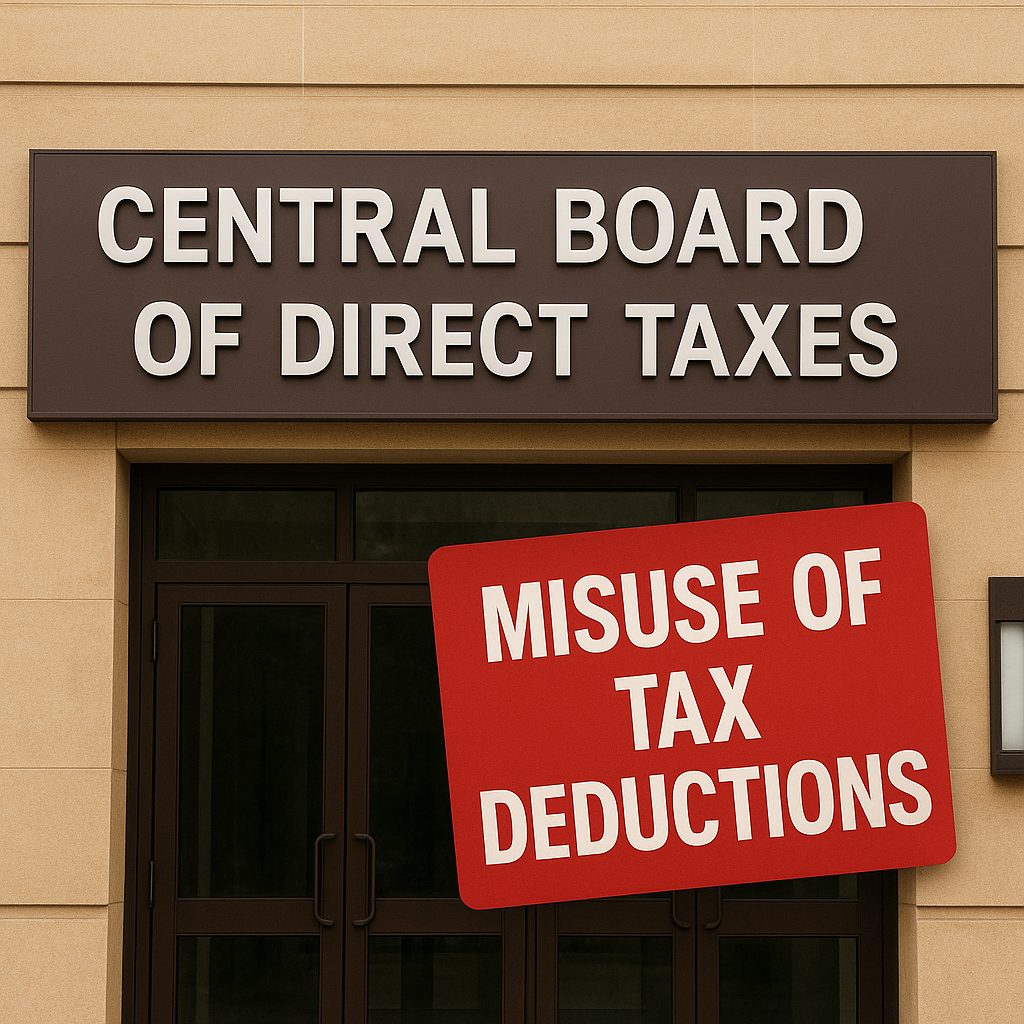

CBDT detects fake claims related to political and charitable donations
The Central Board of Direct Taxes (CBDT) has detected large-scale misuse of income tax deductions claimed for political and charitable donations. On Saturday, the board said it has identified widespread fraudulent claims linked to such contributions and has initiated a targeted outreach campaign from December 12, urging taxpayers to recheck their returns and voluntarily withdraw incorrect claims.
According to the CBDT, several taxpayers had claimed deductions for donations made to Registered Unrecognised Political Parties (RUPPs) that were later found to be inactive, non-compliant in filing returns, or not engaged in any genuine political activity.
Investigations by the Income Tax Department also revealed the involvement of intermediaries who filed tax returns containing false claims of deductions and exemptions under the Income Tax Act, often in exchange for commissions. These intermediaries allegedly issued fake donation receipts, allowing taxpayers to unlawfully reduce their tax liability and claim illegitimate refunds. Action has already been initiated against such entities.
Further follow-up searches uncovered evidence of fictitious donations and bogus Corporate Social Responsibility (CSR) claims made by companies. Authorities also found indications that certain entities were being used as channels for routing funds, including suspected hawala transactions and cross-border remittances. Proceedings against these intermediaries are currently underway.
Using data analytics, the CBDT identified taxpayers who had availed themselves of such suspicious donations and transactions. When contacted, many of them failed to provide adequate evidence to prove the genuineness of their claims. As a result, several taxpayers have already revised their returns for the current assessment year 2025–26 and filed updated returns for earlier years.
To facilitate voluntary compliance, the CBDT has launched a “nudge” campaign, offering taxpayers an opportunity to correct their returns without coercive action. SMS and email advisories are being sent to identified taxpayers from December 12 on their registered contact details. The board has also advised taxpayers to ensure that their mobile numbers and email addresses are updated to avoid missing official communications.